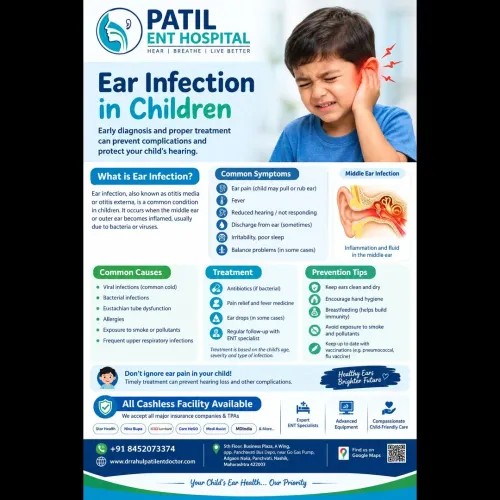
Learn about traumatic eardrum perforation, its causes, symptoms, diagnosis, treatment, recovery time, and when to consult an ENT specialist for expert care.
Traumatic Eardrum Perforation: Causes, Symptoms, Treatment & Recovery
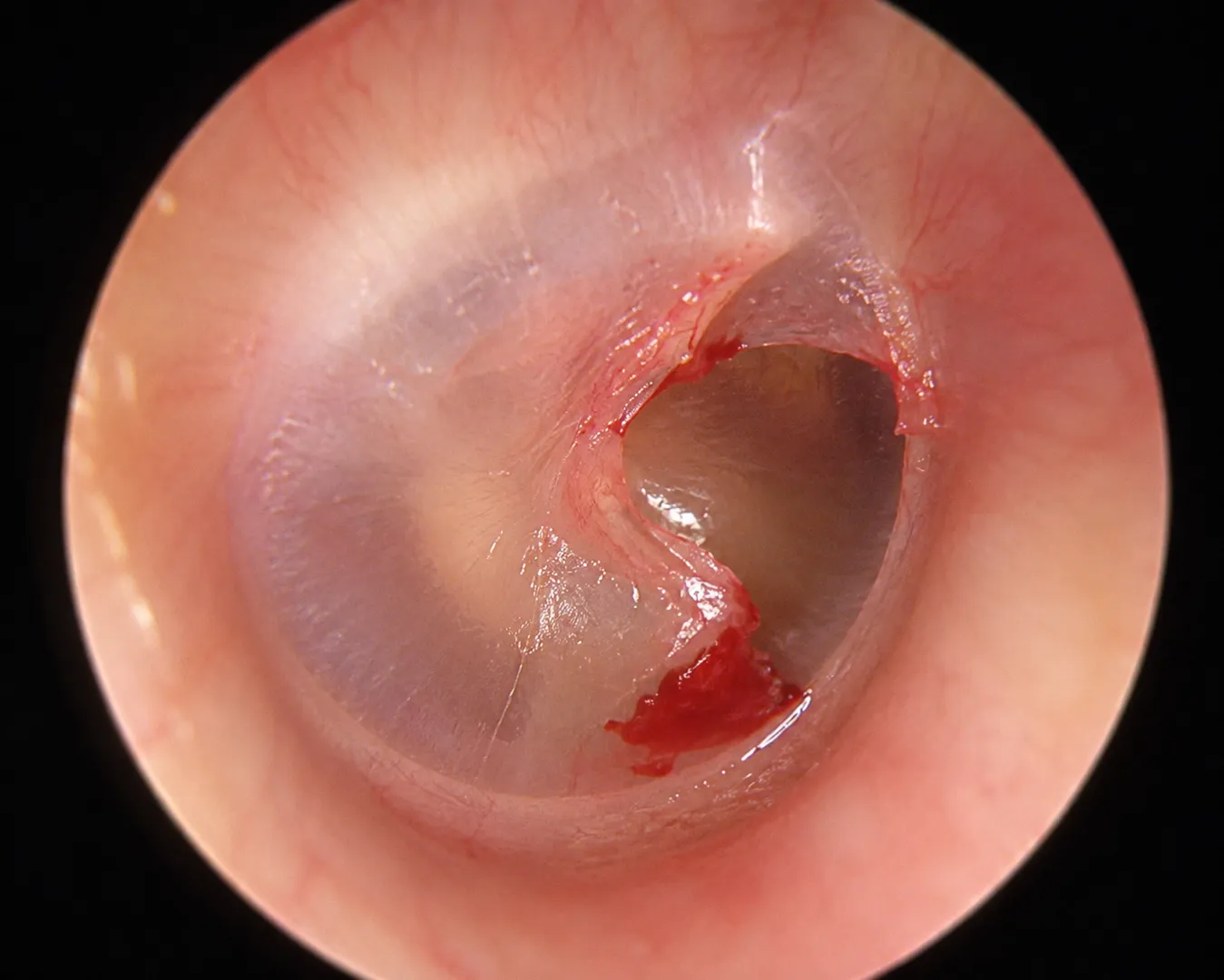
A traumatic eardrum perforation is a tear or hole in the eardrum (tympanic membrane) caused by injury rather than infection. The eardrum is a thin membrane that separates the outer ear from the middle ear and plays a crucial role in hearing by transmitting sound vibrations.
Although many traumatic perforations heal naturally within a few weeks, some require medical treatment or surgery. Prompt evaluation by an ENT specialist helps prevent infection, hearing loss, and other complications.
What Causes Traumatic Eardrum Perforation?
A traumatic eardrum perforation can occur due to various types of injuries, including:
- Inserting cotton buds, hairpins, or other objects into the ear
- Slap injury to the ear
- Sports-related injuries
- Road traffic accidents
- Sudden loud explosions or blast injuries
- Head trauma
- Sudden pressure changes during flying or scuba diving (barotrauma)
Symptoms of a Traumatic Eardrum Perforation
Common symptoms include:
- Sudden severe ear pain
- Bleeding from the ear
- Hearing loss
- Ringing in the ear (Tinnitus)
- Ear discharge
- Dizziness or vertigo
- Feeling of fullness in the ear
If you experience these symptoms after an ear injury, seek immediate medical attention.
How Is It Diagnosed?
An ENT specialist will diagnose the condition through:
- Detailed medical history
- Ear examination using an otoscope
- Microscopic ear examination
- Hearing test (Pure Tone Audiometry)
- Tympanometry (if appropriate)
- CT scan in cases of severe head injury or suspected fractures
Treatment Options
Treatment depends on the size and location of the perforation.
Conservative Treatment
Most small traumatic perforations heal naturally within 4–8 weeks.
Your doctor may recommend:
- Keeping the ear dry
- Avoiding swimming
- Not inserting anything into the ear
- Antibiotic ear drops (only when indicated)
- Oral antibiotics if infection develops
- Pain-relieving medications
Paper Patch Procedure
Small perforations that fail to heal may benefit from a paper patch placed over the hole to encourage healing.
Surgical Treatment (Myringoplasty/Tympanoplasty)
Surgery may be recommended if:
- The perforation persists for more than 2–3 months
- Significant hearing loss is present
- Recurrent ear infections occur
- The perforation is large
The procedure repairs the eardrum using the patient's own tissue, restoring hearing and protecting the middle ear.
Recovery
Recovery depends on the severity of the injury.
Most patients recover completely with:
- Good hearing restoration
- No infection
- Complete healing of the eardrum
Patients should follow their ENT specialist's instructions carefully and attend follow-up appointments.
Possible Complications
Without proper treatment, complications may include:
- Persistent hearing loss
- Chronic ear infection
- Recurrent ear discharge
- Cholesteatoma (abnormal skin growth in the middle ear)
- Permanent eardrum perforation
Tips to Prevent Eardrum Injury
- Never insert cotton buds or sharp objects into the ear.
- Wear protective headgear during contact sports.
- Use ear protection in noisy environments.
- Avoid forceful cleaning of the ears.
- Equalize ear pressure carefully during flights and diving.
When Should You See an ENT Specialist?
Consult an ENT specialist immediately if you have:
- Ear bleeding after an injury
- Sudden hearing loss
- Severe ear pain
- Persistent ear discharge
- Dizziness after trauma
- Symptoms lasting more than 24 hours
Early diagnosis and treatment significantly improve healing and reduce the risk of long-term hearing problems.
Conclusion
Traumatic eardrum perforation is a common ENT emergency that often heals with proper care. However, delayed treatment can lead to infection and permanent hearing damage. If you have suffered an ear injury or notice hearing changes after trauma, consult an experienced ENT specialist promptly for a thorough evaluation and appropriate treatment.
You can add the following contact section to your website or blog:
Contact Patil ENT Hospital
Patil ENT Hospital
📍 5th Floor, Business Plaza, A Wing, Opp. Panchavati Bus Depot, Near Go Gas Pump, Adgaon Naka, Panchavati, Nashik – 422003. (Wanderlog)
📞 Mobile: +91 89833 88659
📍 Google Maps Location:
Keywords